Family-School Partnerships Framework
The Family-School Partnerships Framework document contains: • A vision for improved partnerships between Australian families and schools • A set of principles to guide families

The Family-School Partnerships Framework document contains: • A vision for improved partnerships between Australian families and schools • A set of principles to guide families
Glenroy College is running after-school cooking classes for families. The popular cooking workshops are held in the College’s food technology kitchen on Mondays after school. In the

“There are a lot of pieces that make up our school system…but there’s one piece missing: The Parent-School relationship. Your Government can put it in place.”
This article is by Jade Millman, a parent at Whittington Primary School Since having our Community Engagement Officer, Dori, things have improved so much at our
“An engaged school community is the best marketing tool any school can have.” This 20-page booklet is a collaboration between Parents Victoria and the Australian
Dr Debbie Pushor (University of Saskatchewan, Canada) sums up 50 years of research that demonstrates the importance of engaging families in their children’s education.
This research report provides strong evidence for the value of parent engagement in children’s education. The report provides a synopsis of the published literature pertaining
This research project in the ACT provided a strong evidence base to support family engagement in ACT primary and high schools. The project was conducted
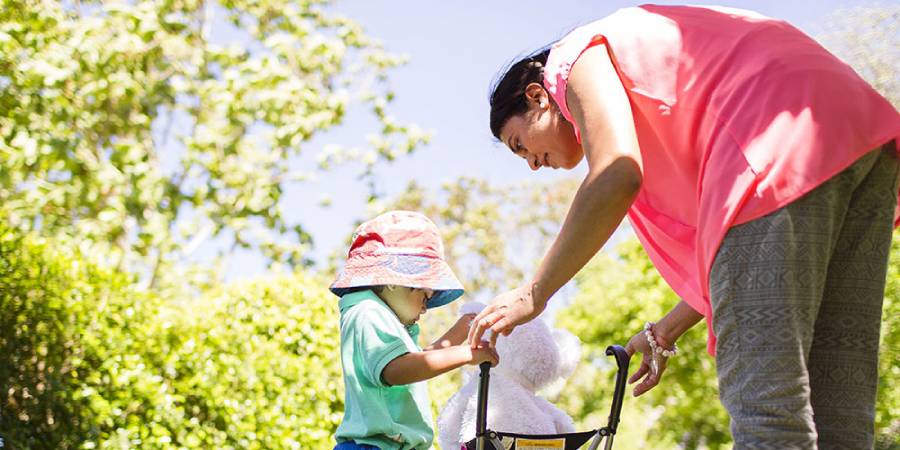
This is a summary of a workshop held as part of the PV/DET Parent Forum in August 2019. The workshop focused on the importance of
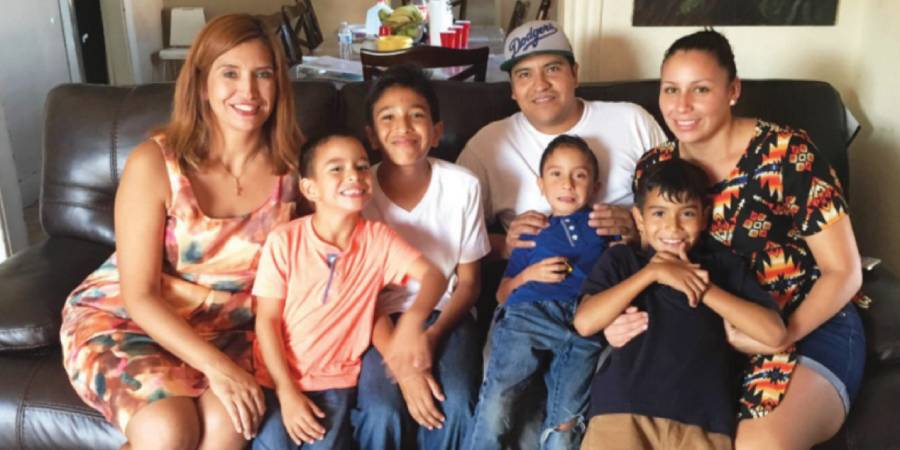
Canadian family engagement expert Dr Debbie Pushor (University of Saskatchewan) is trialling a program of Parent Teacher Home Visits in Canada, modelled on a successful program that
The Family-School Partnerships Framework document contains: • A vision for improved partnerships between Australian families and schools • A set of principles to guide families and schools in developing partnerships • Seven key dimensions of
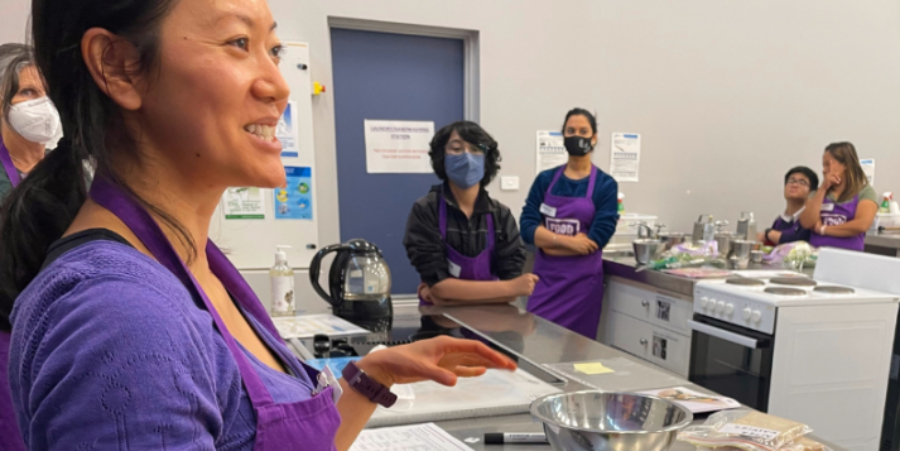
Glenroy College is running after-school cooking classes for families. The popular cooking workshops are held in the College’s food technology kitchen on Mondays after school. In the first few sessions, families learnt to make rice paper rolls
“There are a lot of pieces that make up our school system…but there’s one piece missing: The Parent-School relationship. Your Government can put it in place.” Following our 2018 Conference and Dr Debbie Pushor’s visit to
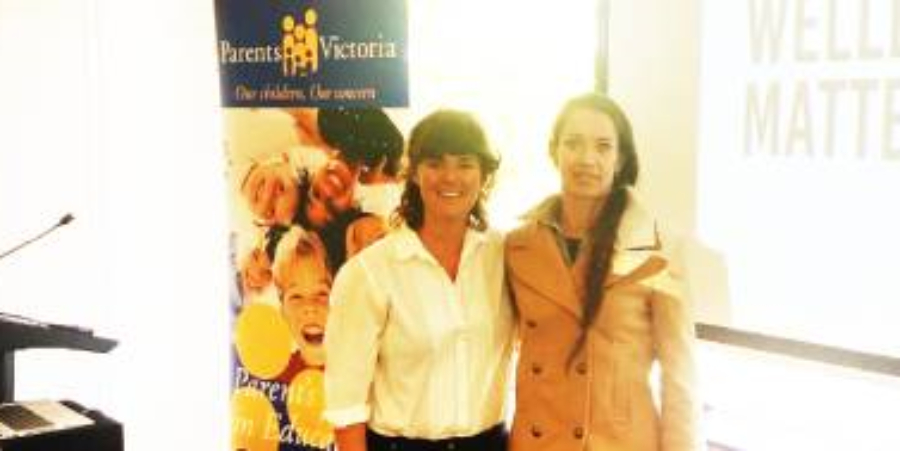
This article is by Jade Millman, a parent at Whittington Primary School Since having our Community Engagement Officer, Dori, things have improved so much at our school (Whittington Primary School in Geelong). Dori is invaluable and
“An engaged school community is the best marketing tool any school can have.” This 20-page booklet is a collaboration between Parents Victoria and the Australian Principals Federation (APF). It was launched by Professor Bill Lucas,
Dr Debbie Pushor (University of Saskatchewan, Canada) sums up 50 years of research that demonstrates the importance of engaging families in their children’s education.
This research report provides strong evidence for the value of parent engagement in children’s education. The report provides a synopsis of the published literature pertaining to parental engagement in both the home and school environments.
This research project in the ACT provided a strong evidence base to support family engagement in ACT primary and high schools. The project was conducted by the Australian Research Alliance on Children and Youth (ARACY)
This is a summary of a workshop held as part of the PV/DET Parent Forum in August 2019. The workshop focused on the importance of parent/school partnerships in developing children’s literacy and numeracy. Speaker –
Canadian family engagement expert Dr Debbie Pushor (University of Saskatchewan) is trialling a program of Parent Teacher Home Visits in Canada, modelled on a successful program that has been running in the USA since 1998. Home visits